🕯️ Why remembering floods still matters today
From Valencia to Ouwerkerk, I stood there during the silence. What does it mean to remember flood victims together?
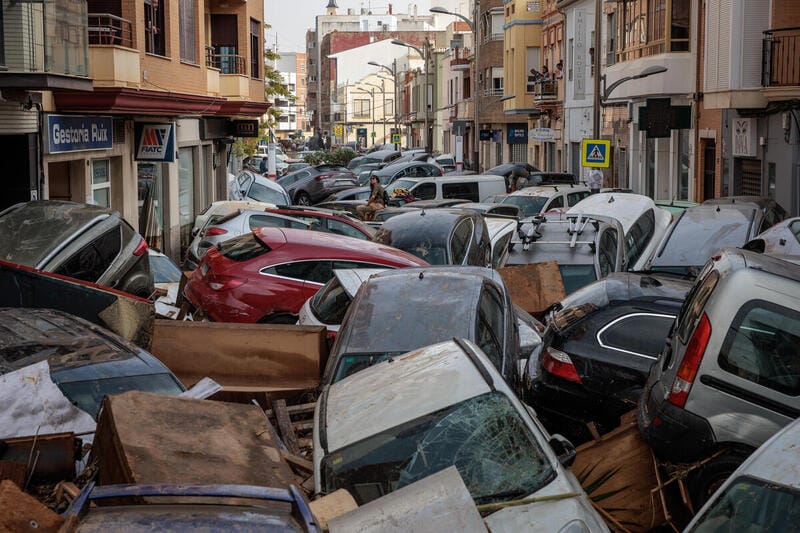
Last October, I stood in front of the municipal building in Paiporta, near Valencia. One year earlier, the river had overflowed there. Streets were filled with water and mud. Homes were damaged. Lives were disrupted.
It was evening. We gathered along the wide river, close to where the water had surged through the town. Children, elderly residents, and families who had lost loved ones stood together.
When the three minutes of silence began, it started to rain. No one moved.
On 1 February this year, I stood again. This time at the Watersnoodmuseum, where we mark the North Sea Flood of 1953 each year. Different country. Different language. The same stillness.
This newsletter reflects on remembrance and on why it still matters as water becomes less predictable. Let’s dive in.
In this week’s issue 📨
- How remembrance around 1953 slowly took shape
- How other countries mark floods in their own ways
- Three new Invited Voices stories from India
Was this email forwarded to you? Subscribe here
From disaster to ritual
In 2026, the Watersnoodmuseum in the Netherlands marks its 25th anniversary. For twenty-five years, it has offered a place to remember the North Sea Flood of 1953 and to reflect on what followed.
Commemoration began soon after the flood. On 8 February 1953, a national day of mourning was declared in the Netherlands. Queen Juliana addressed the country by radio. She spoke of grief and of respect for those who tried to rescue others.
After that, it grew quieter. Survivors rebuilt their lives. Many carried their memories privately. Only decades later, around 1993, did a broader national commemoration take shape. Around that time, the idea of a permanent museum emerged.
Today, the museum is housed inside the Phoenix caissons that closed the last tidal gap near Ouwerkerk, in Zeeland. The structure itself tells part of the story.
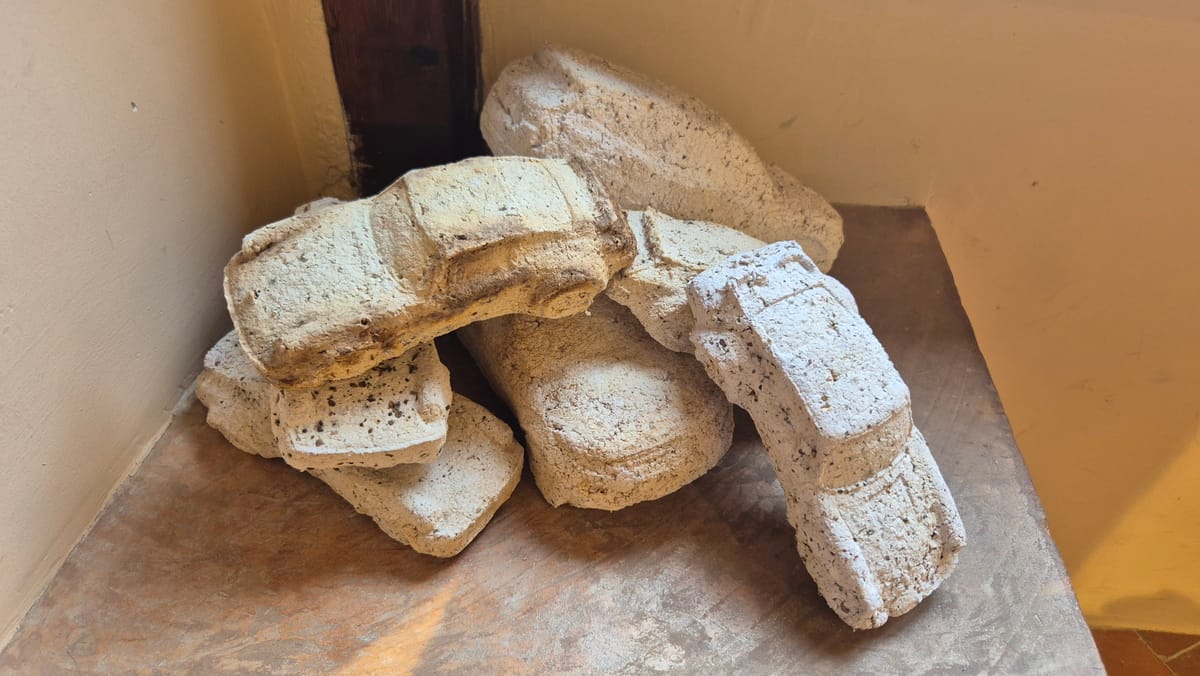
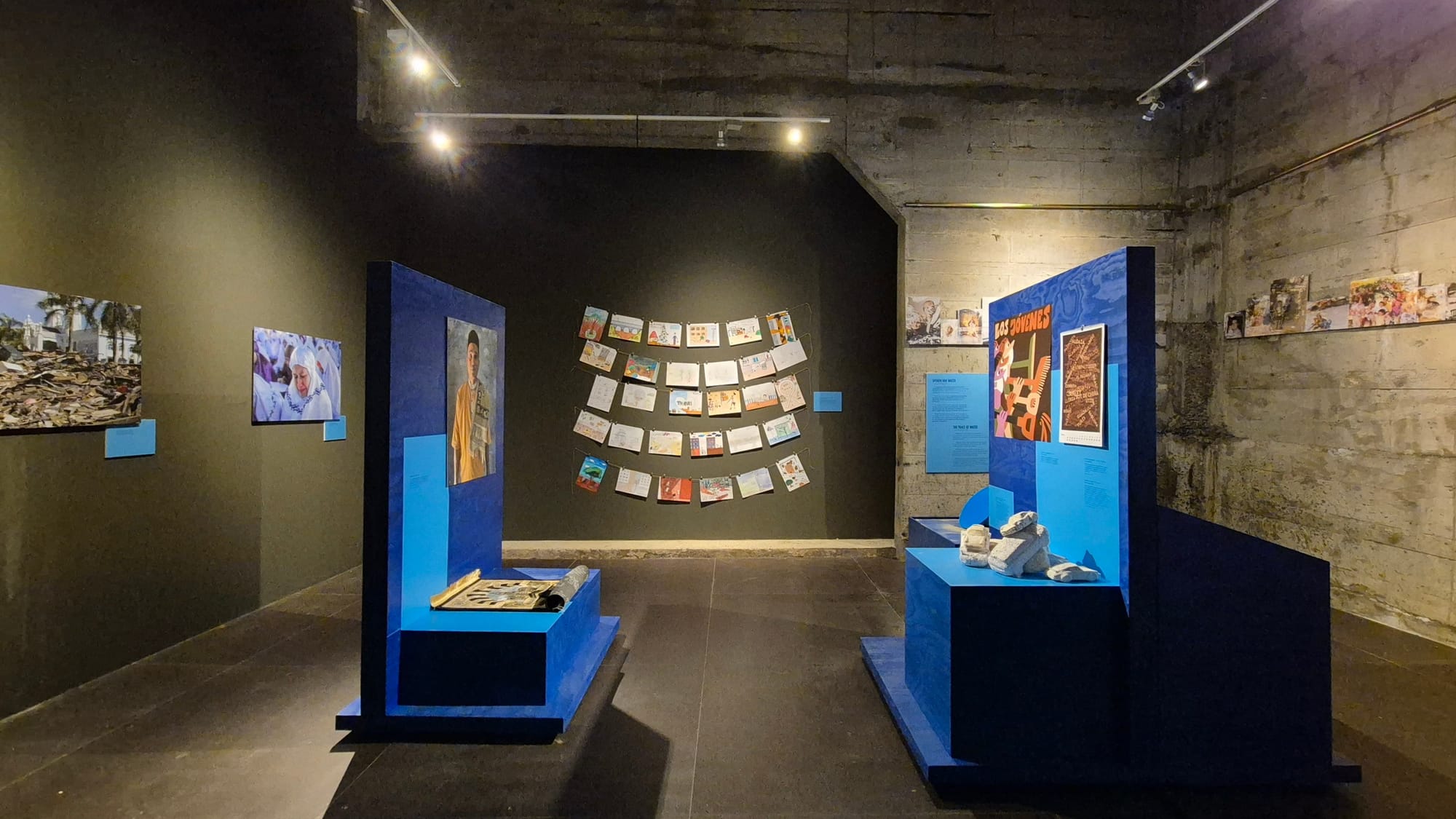
In the new exhibition on commemorative culture, we explore how remembrance has changed over time. There are memorial plates, poems, clay taken from the dike, and tiles bearing mottos. There are lists of names. There are also contemporary artworks.
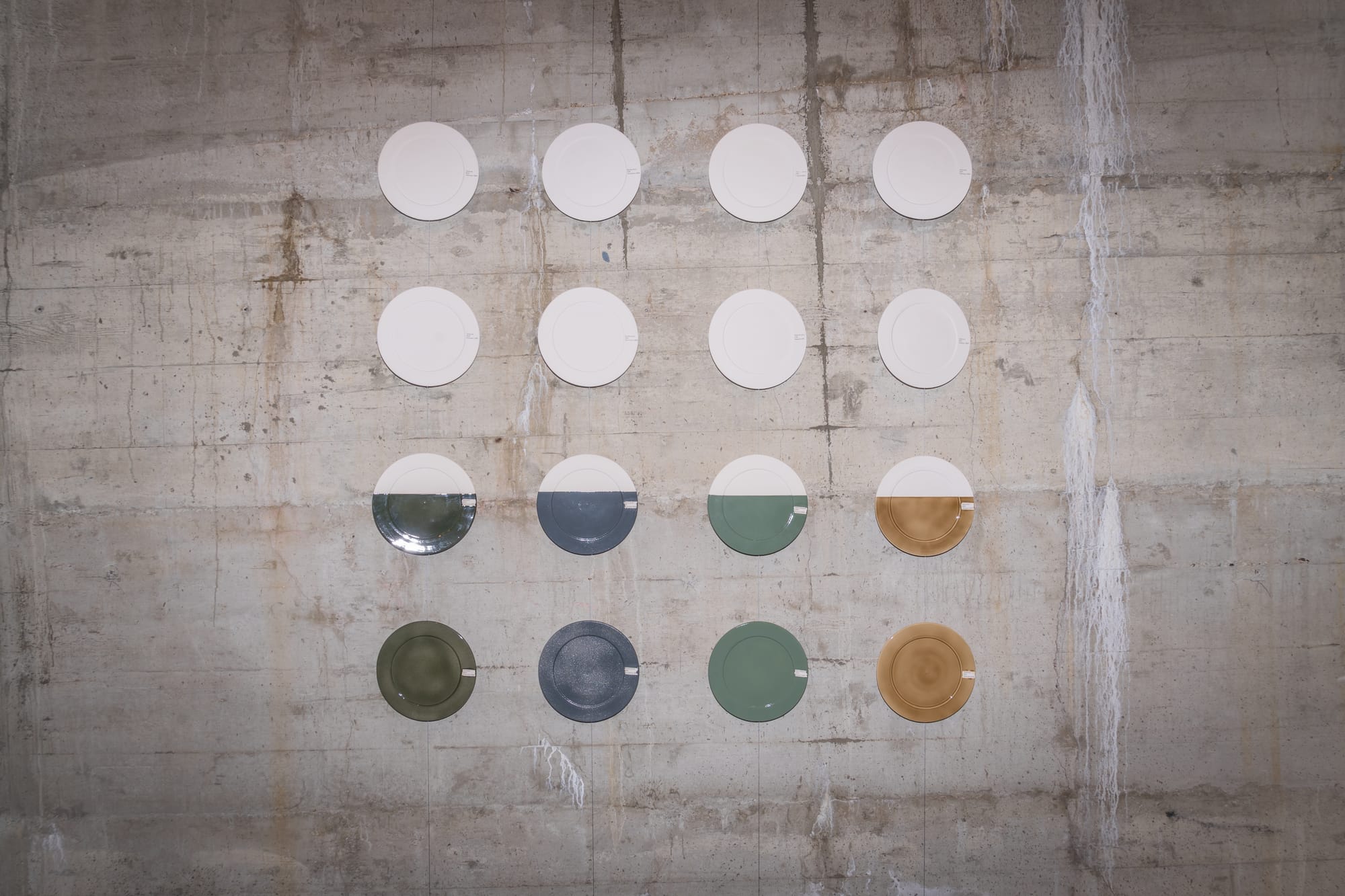
One work that stayed with me is Floodlines by Boris Maas. He reconstructs the colours of floodwaters using satellite images and archival photographs. The green-grey of the North Sea in 1953. The grey mud of the tsunami in Banda Aceh. The murky water after Hurricane Katrina in New Orleans. The brown earth carried through Valencia in 2024.
Placed next to each other, the colours are different. Still, there is a similarity.
Remembering beyond borders
In Banda Aceh, remembrance of the 2004 tsunami lives in everyday places. Not only in monuments, but in mosques, streets and homes. Researcher Muzayin Nazaruddin writes that memory returns in daily life, sometimes quietly.
In Valencia, the Las Fallas festival felt different after the floods. Sculptures that are normally burned as a sign of renewal also reflected loss and vulnerability.
In New Orleans, jazz funerals and street parades followed Hurricane Katrina. Music did not fix the damage. But it brought people together.
Different places. Different ways of remembering.
If you are nearby, you are warmly invited to visit the Watersnoodmuseum this year and see the exhibition for yourself. Walk through the caissons.
Invited Voices 📚
Alongside these notes, I recently published three Invited Voices stories by journalists I met. Each looks at how communities in India live with water and change.
- Saving the Yamuna: India’s river lifeline (photo essay) - Abhishek Singh
- This is what resilience looks like (photo essay) - Supratim Bhattacharjee
- Can India’s ancient desert water system survive modernity? - Pierantonio La Vena, Bhatta Ram
On a personal note
Standing in Paiporta, I realised how thin the line can be between there and here. Floods that once felt distant now feel closer.
At the Watersnoodmuseum, we often speak about 1953 as history. Yet when visitors from Spain, Belgium, Germany or Indonesia walk through the museum, the conversation shifts. It becomes about today.
Remembrance is not dramatic. It is simply a way of pausing and asking what a disaster changed, and what we can still learn from it.
Curator’s pick ✍️
Enjoyed this issue? Please share it with a friend or reply to this email. I’d love to hear your thoughts! 👻
Discover the Mekong. Meet the unforgettable people of Vietnam’s Delta. Watch my film here.
Let’s connect! Find me on LinkedIn and Bluesky for quick thoughts. For a deeper dive, visit joepjanssen.com.